
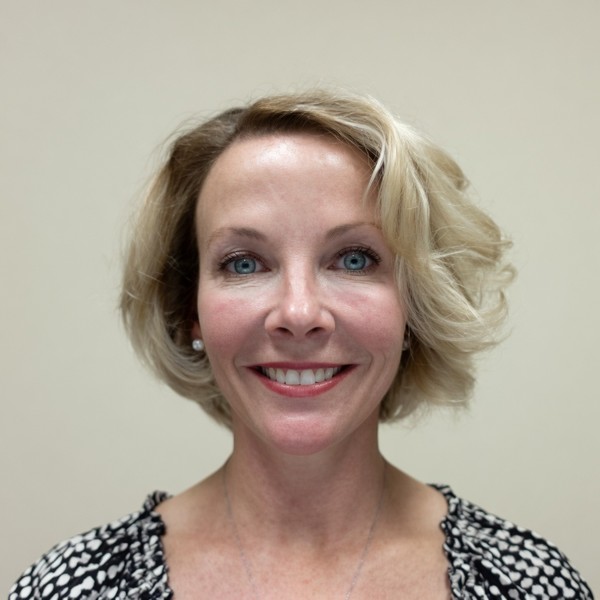
Cosmetic laser specialist
Carolyn Smyth, R.N.
Carolyn specializes in laser hair removal, photorejuvenation, skin resurfacing and photodynamic therapy.
- 20+ years nursing experience
- Certified laser specialist
- Medical laser educator

A fractional skin treatment for texture and tone improvement.
About this treatment
Pixel laser resurfacing creates precise micro-treated zones while leaving surrounding skin intact to support healing. The treatment can improve rough texture, acne scarring, enlarged pores, fine lines and visible sun damage, and the depth and schedule are adjusted to your skin, goals and preferred recovery.
Pixel treats a fraction of the skin at a time by creating tiny controlled treatment zones. Untreated skin between those zones supports healing while the treated areas trigger renewal and remodelling.
It may be used on suitable areas such as the face, neck, chest and hands. Active inflamed acne may need to be managed before texture-related acne scars are addressed with resurfacing.
Instead of treating the entire surface uniformly, Pixel creates a pattern of microscopic treatment zones. The untreated tissue between those zones supports repair while the treated columns stimulate renewal.
A Registered Nurse assesses skin tone, scar type, pigment risk, active acne, sun exposure and the area being treated before selecting depth. Recovery instructions are matched to the intensity of the treatment rather than treated as an afterthought.
Laser resurfacing is a different conversation from a routine facial or surface exfoliation. The area treated, device and settings influence the expected skin response and recovery. Ask which type of resurfacing is being proposed and what improvement is realistic for your texture concern.
Tell the clinic about previous resurfacing, pigment changes, scarring, cold sores and current skincare. Discuss work, exercise and upcoming events before setting a date. Planning around aftercare is part of choosing treatment, not something to leave until the appointment is over.
Common questions
Pixel fractional resurfacing may be discussed for selected texture changes, fine lines and acne scars. The likely benefit depends on the concern and skin assessment; it is not a promise to remove every mark or wrinkle. Explain what you most want to improve and how much recovery you can accommodate so the proposed approach addresses both your goal and practical circumstances.
Fractional resurfacing creates small treatment zones with untreated skin between them to support healing. The resulting skin response develops over time. Ask which Pixel system and settings would be used for your plan, how intensive the treatment would be and why it fits your concern; the name alone does not establish recovery time or make every resurfacing procedure equivalent.
The clinic generally discusses Pixel for residual texture and scarring rather than inflamed active breakouts. Ongoing acne may need to be controlled first to make an appropriate resurfacing plan. Bring details of acne prescriptions and recent treatment so the clinician can discuss timing, and ask how active spots and existing scars would be managed as separate priorities.
Recovery depends on the system, treatment intensity, area and your skin's response. Redness, peeling and sensitivity can affect both appearance and skincare choices. Before booking, ask about cleansing, sun protection, return to activities and warning signs, and disclose cold sores or past healing problems. An individualized timetable is more useful than a generic promise that you will be ready for an event.
Fractional means the treatment is delivered in a pattern that leaves skin between the treated zones, rather than treating the entire surface uniformly. It does not mean there is no wound care or risk. Ask how the proposed intensity affects recovery and what improvement is reasonable, especially when comparing two clinics whose procedures share a similar name but may use different equipment.
No. Indented scars, raised scars and flat colour changes are different findings, and skin tone and ongoing acne also affect the choice. Ask which features are expected to improve and which may remain, whether treatment should be staged and how progress would be judged. A realistic scar discussion includes limitations and alternatives as well as the hoped-for improvement.
Who performs it
Cosmetic laser specialist
Carolyn specializes in laser hair removal, photorejuvenation, skin resurfacing and photodynamic therapy.
Recommendations are informational. A clinical consultation is required to confirm suitability, risks and expected results.
Laser treatments

Permanent hair reduction handled by trained staff at our Burlington clinic.
See details ↗
Light-based skin rejuvenation to improve tone and texture.
See details ↗
Soften facial expression lines with a treatment plan guided by your consultation.
See details ↗What patients say
“I first saw Susan for Botox back in 2005 and have trusted her ever since. She has an excellent eye for detail and always keeps the results natural and symmetrical.”
“I've been a client of Sue at Laser Aesthetics for over seven years, and her care continues to impress me. She listens attentively to my concerns and addresses them with exceptional knowledge, skill, and expertise.”
“I have been receiving Botox injections for a number of years. The effective procedures have lasted 3-5 months. The team has always been kind, gentle and professional.”
“The entire team at Laser Aesthetics are not only consummate professionals but I feel like I'm talking to old friends from the moment I call to book an appointment.”
“I never feel rushed and Sue always takes the time to answer any questions or concerns I have. I have always been pleased with my results and wouldn't go anywhere else.”
Complimentary. Confidential. No pressure.





Preview complete
Prefer to talk now? Call (905) 332-9930.